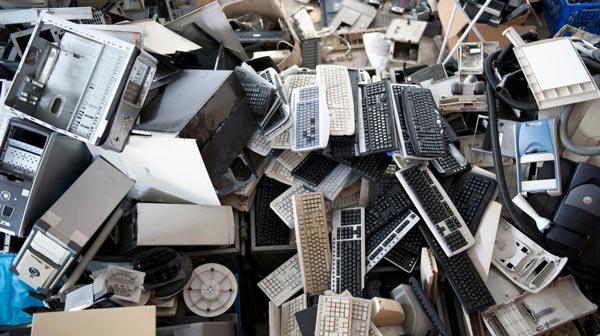
In today’s rapidly evolving technological landscape, electronics have become an indispensable part of our daily lives. From smartphones and laptops to household appliances and medical devices, electronic gadgets play a pivotal role in shaping how we communicate, work, and interact with the world around us. However, as we embrace the latest innovations, we must also recognize the pressing need to address the environmental impact of electronic waste (e-waste) and the crucial role recycling plays in mitigating its adverse effects.
Understanding the Scale of the Issue
The proliferation of electronic devices has led to a staggering rise in e-waste generation globally. According to the Global E-waste Statistics Partnership, approximately 53.6 million metric tons of e-waste were generated worldwide in 2019, and this figure is projected to reach 74 million metric tons by 2030 if left unchecked. This exponential growth poses significant environmental and health risks, as e-waste contains hazardous substances such as lead, mercury, cadmium, and brominated flame retardants, which can leach into soil and water sources if improperly disposed of.
Environmental Impact of E-Waste
The improper disposal of e-waste not only pollutes the environment but also contributes to climate change and resource depletion. When electronic devices end up in landfills or incinerators, they release toxic chemicals into the air, soil, and water, contaminating ecosystems and endangering human health. Moreover, e-waste contains valuable materials like gold, silver, copper, and rare earth metals, which require significant energy and resources to extract from the earth. By recycling electronics, we can conserve these precious resources, reduce greenhouse gas emissions, and minimize the need for environmentally destructive mining practices.
Economic Opportunities and Job Creation
Recycling electronics offers substantial economic benefits and opportunities for innovation. The recycling industry not only creates jobs in collection, sorting, and processing but also stimulates secondary markets for refurbished electronics and recycled materials. By extending the lifespan of electronic products through refurbishment and recycling, we can reduce the demand for raw materials and lower production costs for manufacturers. Additionally, recycling electronics helps to recover valuable metals and components that can be used to manufacture new products, fostering a more circular economy that promotes sustainability and resource efficiency.
Data Security and Privacy Concerns
Beyond its environmental and economic significance, electronic recycling also addresses critical concerns related to data security and privacy. In an era of escalating cyber threats and identity theft, it’s essential to ensure that sensitive information stored on electronic devices is securely erased before recycling or disposal. Professional e-waste recyclers employ industry-standard data destruction techniques, such as degaussing and shredding, to safeguard confidential data and protect against potential breaches. By responsibly recycling electronics, we can mitigate the risk of unauthorized access to personal and corporate information, preserving privacy and safeguarding sensitive data.
Collective Responsibility and Sustainable Solutions
As individuals, businesses, and governments, we all share a collective responsibility to address the challenges posed by e-waste and embrace sustainable solutions. By prioritizing electronic recycling, we can reduce pollution, conserve resources, create green jobs, and safeguard our planet for future generations. Whether through community recycling programs, corporate initiatives, or government policies, we must work together to promote a culture of environmental stewardship and responsible consumption. Through education, advocacy, and action, we can turn the tide against e-waste and pave the way for a more sustainable and prosperous future.
Conclusion
The importance of recycling electronics cannot be overstated in our quest for a more sustainable and resilient world. By recycling electronic devices, we can mitigate environmental pollution, combat climate change, promote economic growth, and protect data security and privacy. As conscientious global citizens, let us take proactive steps to recycle our electronics responsibly, advocate for sustainable practices, and embrace a circular economy that preserves resources and fosters innovation. Together, we can build a brighter, greener future for generations to come.